Sri Lanka Shama
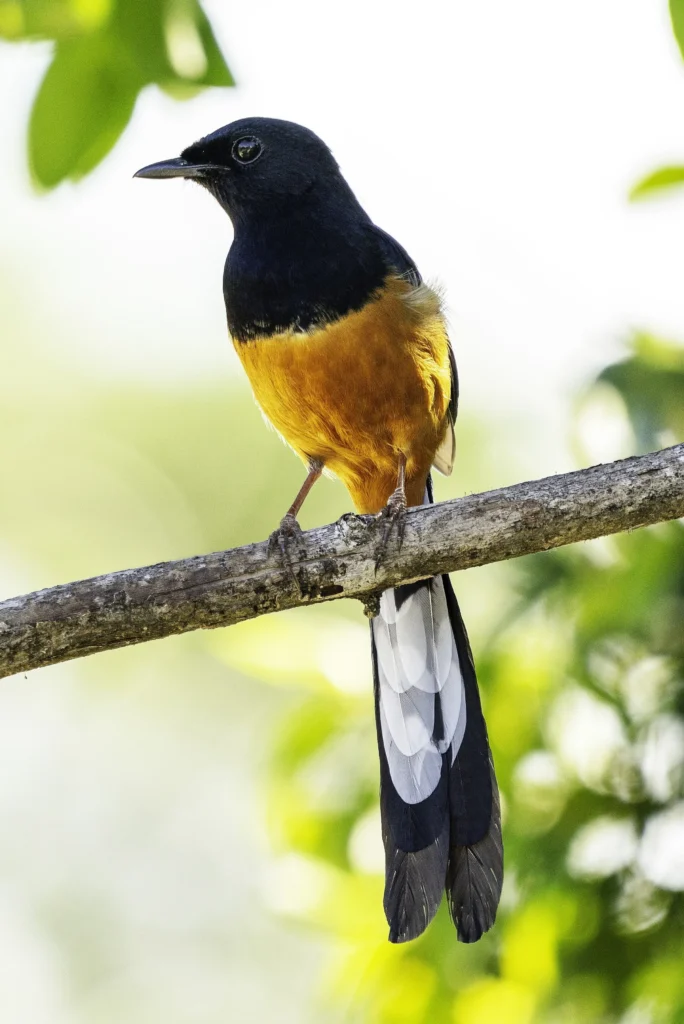
The newest endemic. It was separated from the White-rumped Shama in 2022, without one feather of it having changed. Sometimes the looking changes, and not the bird.
Sri Lanka Thrush
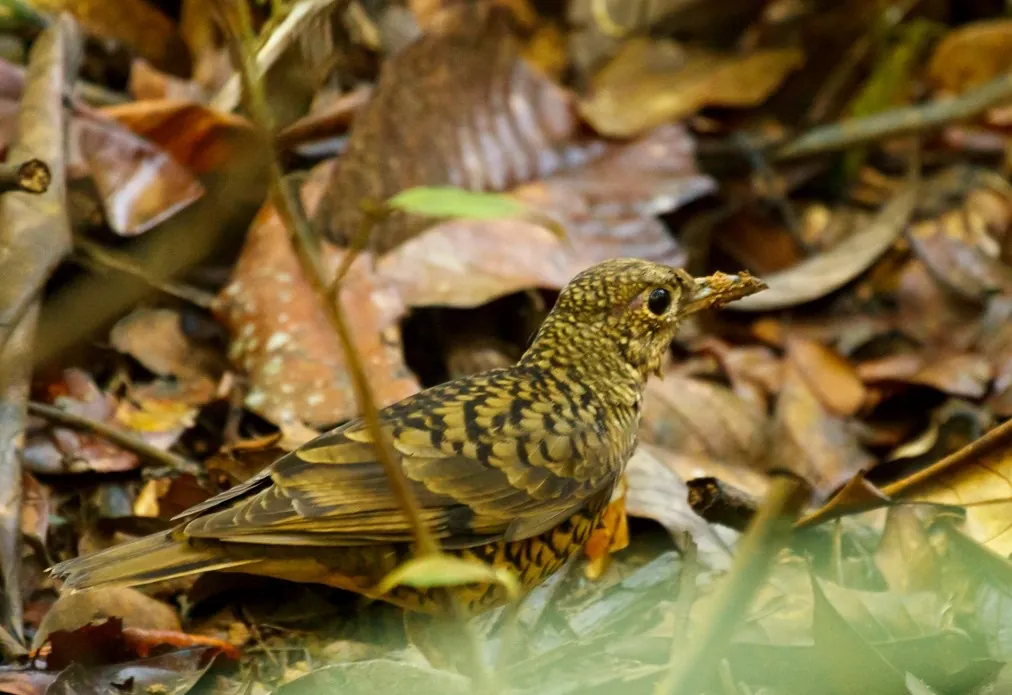
It feeds in the dim, wet places beside forest streams. Scaled plumage breaks up its outline against the leaves.
Spot-winged Thrush
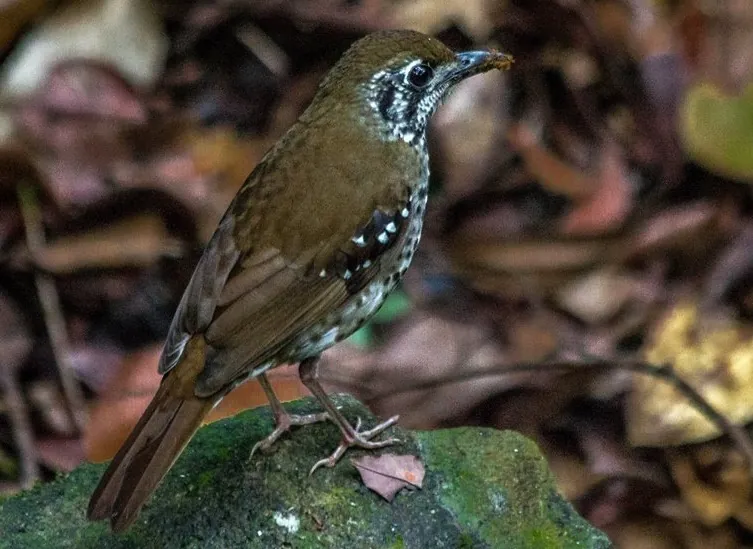
It sings from the shadows at first and last light, when the forest is at its darkest. Bring patience and a very high ISO.
White-faced Starling
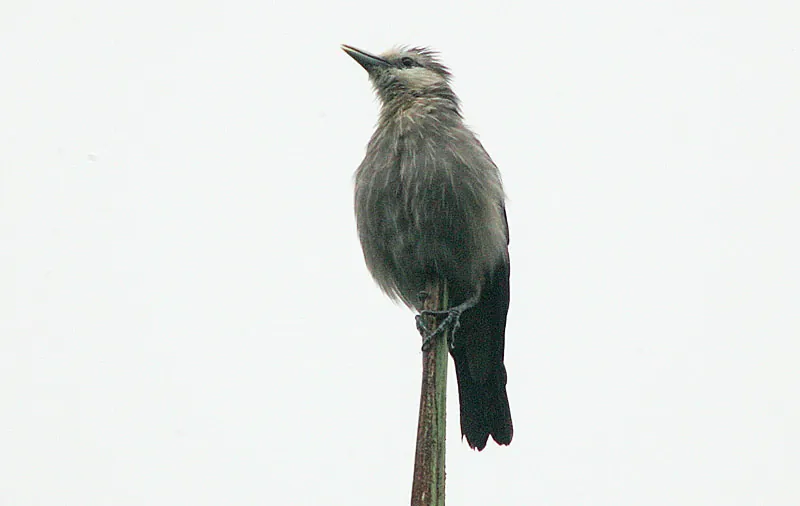
One of the hardest endemics to find. It keeps to the tall canopy of old forest, and a good view is something to remember.
Sri Lanka Myna
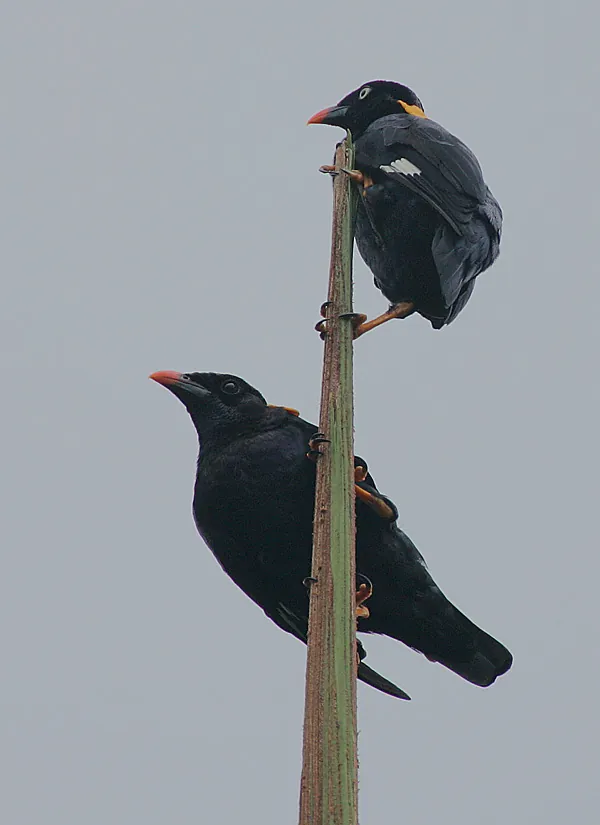
Compare the wattles with those of the common Hill Myna. They are smaller and sit further back, and that is how you know.
Sri Lanka Scimitar Babbler
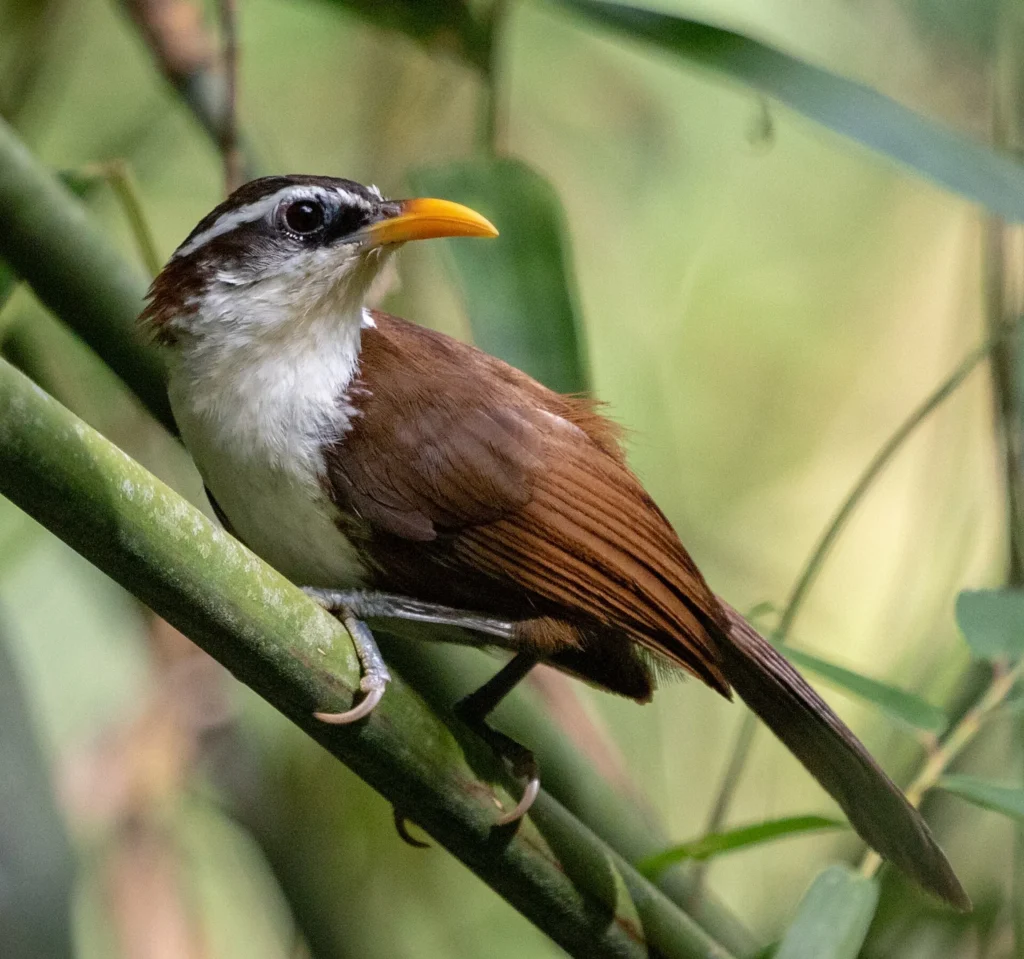
Named for its bill. Pairs sing in such close duet that one bird can sound like two, or two like one.
Brown-capped Babbler
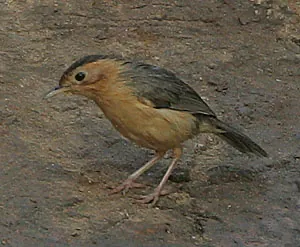
It walks through the leaf litter, the same colour as what it walks on. Its song gives it away long before its shape does.
Orange-billed Babbler
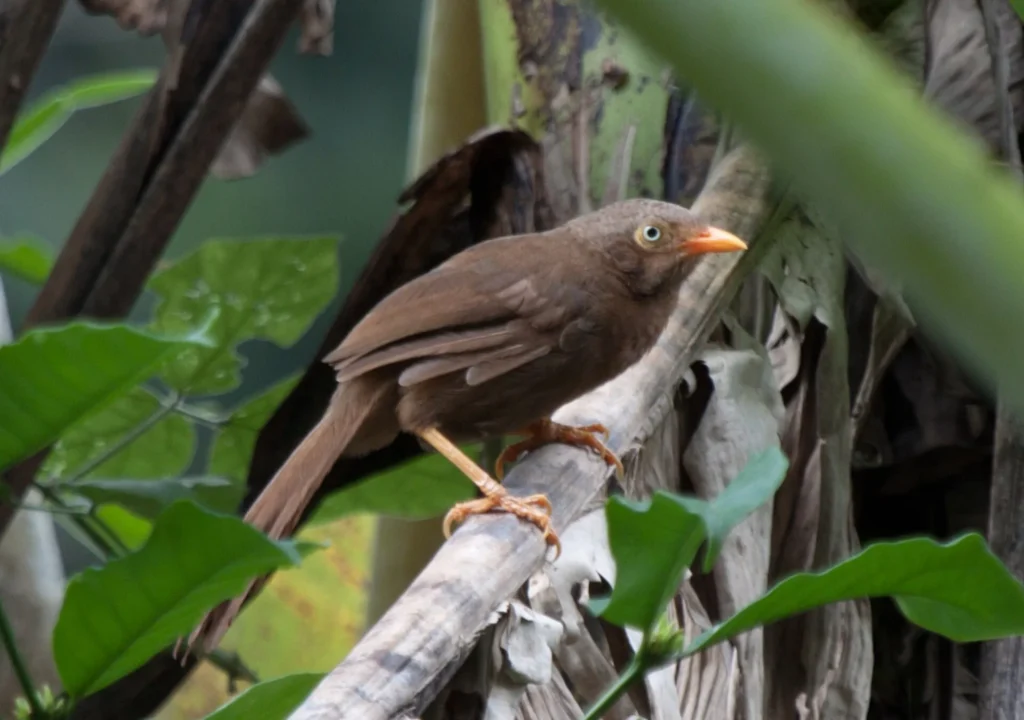
This noisy group is the heart of the Sinharaja mixed flock. When you find it, stop looking at it and start looking around it.
Ashy-headed Laughingthrush
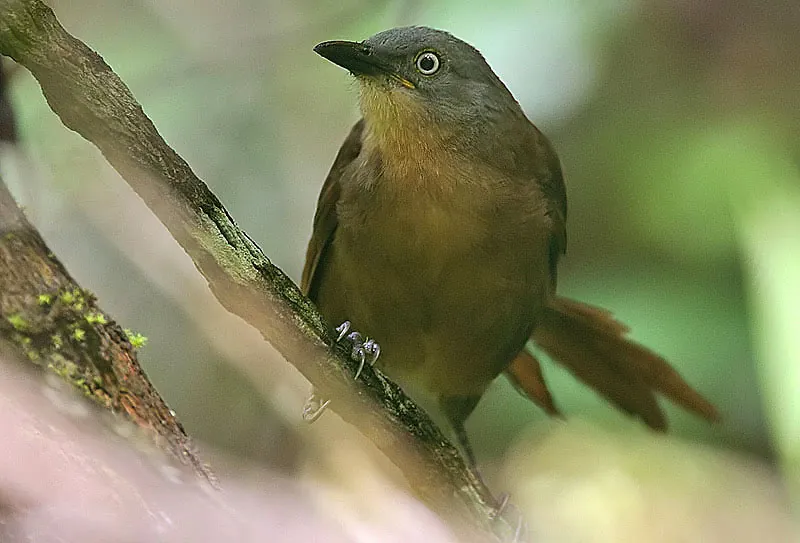
It moves low through the forest in chattering groups. Listen for the noise and wait for the flock to come to you.
Legge’s Flowerpecker
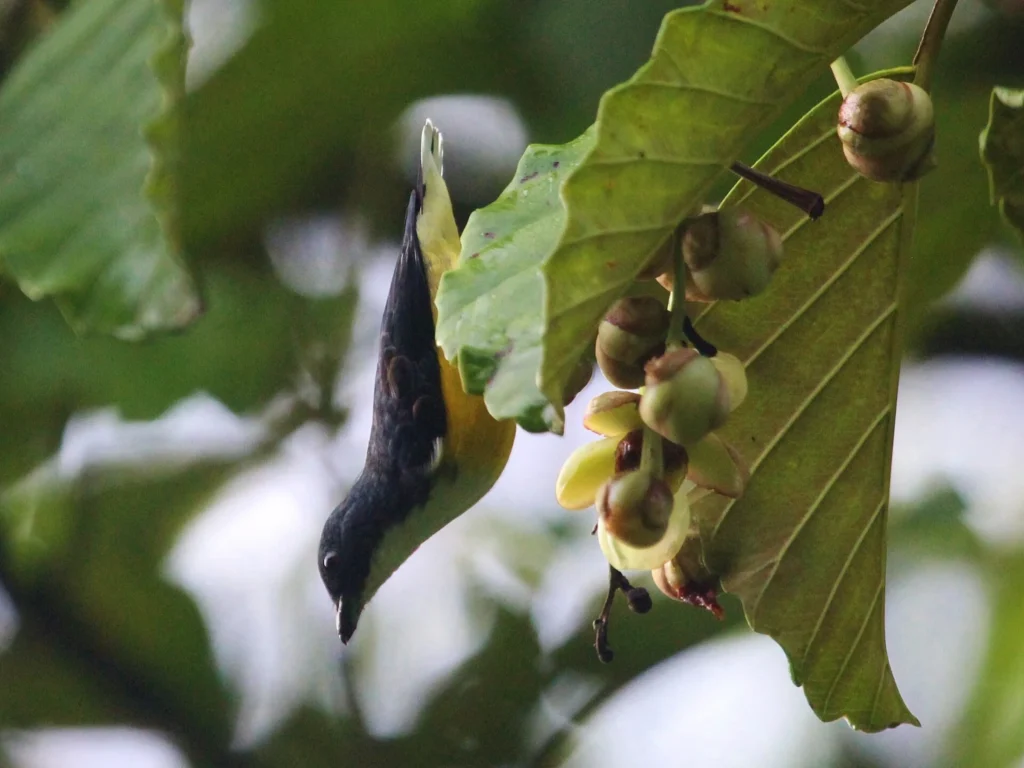
It keeps to the high canopy, so most sightings start as a tiny shape against the sky. Be patient, and let the colour arrive.